
"To Play Billiard well is a sign a of mispent youth" - Herbert Spencer
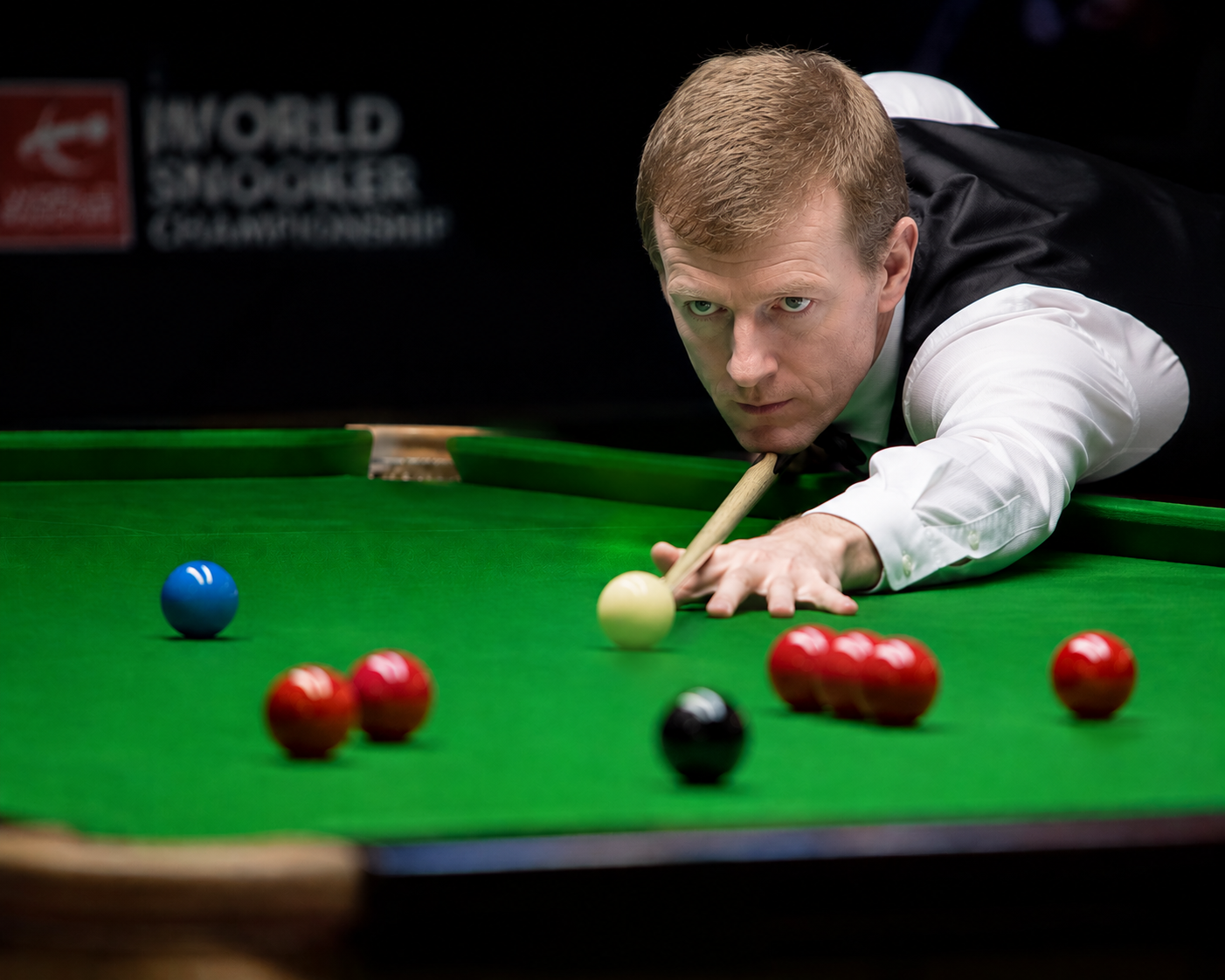
Herbert Spencer, the Victorian philosopher, famously quipped that "to play billiards well is a sign of a misspent youth." He viewed the hours required to master the game’s geometry as time stolen from "productive" labor. But if Spencer were alive today, he might find that the green baize is actually one of the greatest classrooms for professional strategy and resilience.
What was once dismissed as a distraction is, in reality, a masterclass in high-stakes decision-making. Here is how the wisdom of the table—from the physics of the "break" to the legendary tactics of Steve Davis—can help you navigate the challenges of your career.
1. The Geometry of the Long Game
The "misspent" hours Spencer criticized are actually an investment in spatial awareness and foresight. In a career context, this is your "vision."
Mastering 8-ball or Carom requires you to see the table not as it is, but as it could be. You don't just hit the ball; you calculate the deflection, the "English" (spin), and the path of three different objects.
The Lesson: Every career move is a multi-object collision. When you take a new role, you aren’t just moving yourself; you are shifting your reputation, your network, and your future leverage. Like a carom master, learn to look two rails ahead.
2. The "Chess with Balls" Mindset
Six-time world champion Steve Davis famously redefined snooker as "a game of chess played with balls." This shift in perspective—from a game of physical skill to one of mental warfare—is the key to executive leadership.
In snooker, the most important ball on the table is the one you aren't hitting: the cue ball. Top players obsess over positioning. They pot a red specifically to land the white ball in the perfect spot for the black.
The Career Move: Don't focus on the "pot" (the immediate win or paycheck) if it leaves you "snookered" (stuck with no move) afterward. A successful career is a "break" made of many small, connected shots. If your next move doesn't set up the one after that, you’re just playing for the moment, not the match.
3. The Art of the Safety Play
Sometimes, the balls are scattered poorly, and there is no clear path to victory. In billiards, this is when you play a safety. You don't try to score; you move the cue ball to a position that makes it impossible for your opponent to hurt you.
The Lesson: Professional life isn't always about "winning" every meeting or landing every contract. Sometimes, the wisest move is defensive. This might mean building a financial "margin of safety," diversifying your skills, or declining a promotion that would put you in a "lose-lose" political situation. Mastering the "safety" prevents your career from hitting a dead end.
4. Maintaining the "Iceman" Demeanor
Davis earned the nickname "The Iceman" for his stoic composure under the searing lights of the Crucible Theatre. He knew that the moment you let frustration show, you’ve already lost the tactical advantage.
The Lesson: Pressure is a constant in any ambitious career. Whether it's a failing project or a tense negotiation, the ability to maintain "table presence"—staying calm, methodical, and focused on the physics of the problem rather than the emotion of the moment—is what separates the amateurs from the masters.
Final Break: Was the Youth Misspent?
Spencer was right about one thing: mastering this game takes time. But perhaps that time isn't "misspent" if it teaches us that patience, positioning, and poise are the three pillars of success.
In your career, you will face moments where the table looks impossible. In those moments, remember the wisdom of the baize: Take a breath, chalk your cue, and play the shot that sets up the next one.
Comments (1)
iifnogwjittkekuulvqentlxznzvro
Leave a Comment
No login required.